
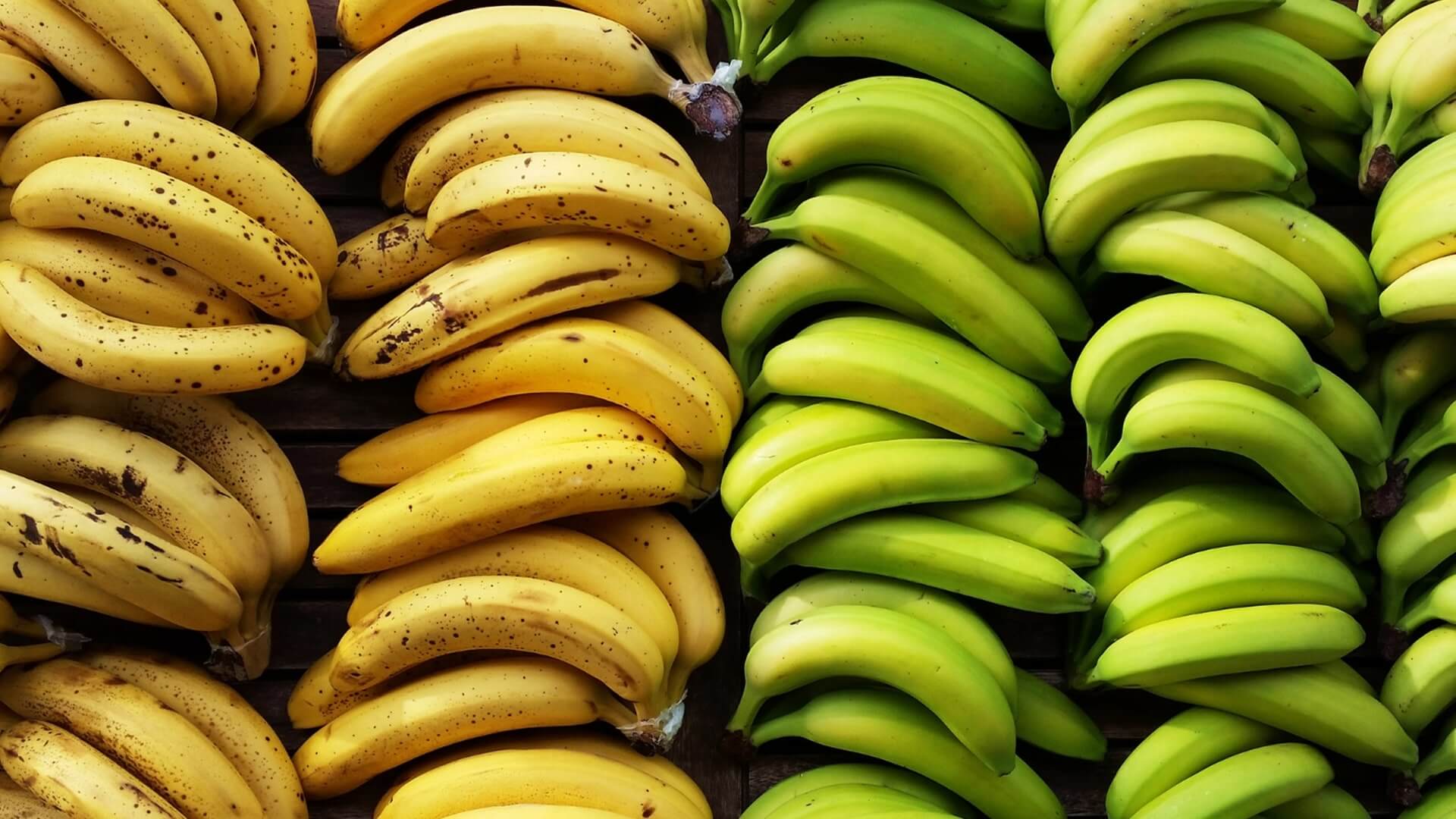
Plantain vs banana– What’s the difference?
Plantain vs Banana: A Practical Guide for NYC & NJ Menus
If you run a professional kitchen, understanding plantain vs banana is more than a fun fact, it affects recipes, margins, and how guests experience your food.
In many deliveries you’ll get boxes of green and yellow plantains alongside bananas, and your team needs to know instantly which fruit belongs on which station.
Used well, ripe plantains can become signature sides, brunch items, and shareable plates that keep guests coming back. Crispy, golden fried plantains are often the first thing guests remember about a great Latin, Caribbean, or African-inspired meal.
1. Why Your Team Mixes Up Plantains and Bananas
At first glance they look similar, but unlike bananas, plantains are starchier and designed to be cooked, not eaten as a raw snack.
As they ripen, yellow plantains move from neutral and starchy to sweet and deeply caramelized, so you can use them across multiple dayparts. That’s why plantains are powerful in savory dishes, they eat like a potato or yuca but bring a subtle tropical note.
In many countries, plantains are literally known as cooking bananas, which explains some of the confusion on invoices and spec sheets. You’ll see them in stews, sides, and mains because they’re primarily eaten cooked, not grabbed from the fruit bowl. At the greenest stage, green plantains act a lot like a root vegetable, soaking up seasoning and holding structure when fried or boiled.
Bananas, on the other hand, shine when they’re sweet, and ripe bananas are perfect for smoothies, desserts, and toppings across your menu. Some types arrive larger and tougher, almost like thick skinned bananas, and it helps to train staff to feel that difference at receiving.
Plantains don’t follow the same visual rules as dessert fruit; the skin often turns almost dark brown just as they hit peak sweetness. If you slice a firm raw plantain straight out of the box, you’ll immediately notice how dry and starchy it is next to a banana. That firmer feel comes from a thicker skin and denser flesh, which is exactly why plantains hold up so well in the fryer or oven.
Bananas behave differently, guests expect them to be soft, sweet, and easily eaten raw at breakfast or as a grab-and-go snack.
In some producing regions, both fruits grow on similar plants and are broadly called cooking bananas, which can mislead new buyers. From a global perspective, plantains and bananas are among the most important edible fruits produced for homes and restaurants.
Add a quick “plantain vs banana” visual to your prep area so new staff can see and feel the difference on day one.
Riviera Produce supplies wholesale bananas and plantains to restaurants, hotels, and commercial kitchens across New York and New Jersey. Whether you need green plantains for frying, ripe plantains for sweet preparations, or bananas for desserts and smoothies, we deliver six days a week with same-day service for orders placed before noon.
Get Your Plantains or Bananas at Riviera Produce
2. Ripeness and Color: Reading Your Inventory at a Glance
When you buy unripe plantains, you’re essentially ordering a versatile starch that you can treat like a vegetable in soups, stews, and sides. You can even swap plantain mash into comfort plates where you might usually serve mashed potatoes, giving guests something familiar with a twist.
On invoices you may see confusing terms like bananas plantains, which is why it’s smart to cross-check boxes against your menu needs. Your cases might also include green bananas, which start firm and starchy but will ripen into sweet fruit for shakes or desserts.
For many NYC and NJ guests, the comfort factor is real, they grew up learning to eat plantains with rice, beans, and stewed meats. It’s common for operators to receive plantains as a single green bunch, then manage ripening on-site depending on what the kitchen needs.
When bananas move past their prime, they’re perfect for turning into banana bread or muffins in bakeries, cafés, and coffee shops. On brunch boards and breakfast buffets, bananas work beautifully in parfaits or a simple fruit salad that still feels premium.
3. Nutrition and Health: What You Can Honestly Promote
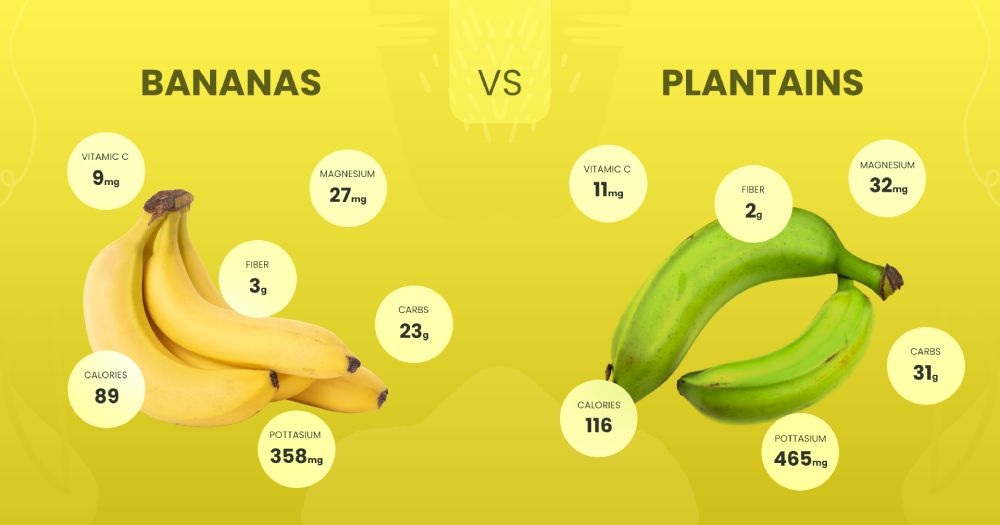
From a marketing perspective, you can highlight both fruits for their shared health benefits when used instead of heavily processed starches.
Both are whole-food edible fruits, which fits perfectly with ingredient-driven menus and school or institutional programs. Used together, plantains and bananas let you cover both savory and sweet applications without adding a dozen new SKUs.
In training, talk clearly about bananas and plantains so prep cooks understand they’re related but not interchangeable in recipes.
Nutritionally, both bananas and plantains deliver energy, potassium, and fiber that guests increasingly care about. You can accurately say that bananas typically bring more natural sweetness, while plantains start more neutral and starchy. Both fruits supply several vital nutrients, especially when compared to fries or ultra-processed snacks. You can highlight their vital nutrients, like potassium and fiber, in menu copy where health is a selling point.
Around the world, dozens of different bananas exist, some meant for cooking and some best eaten fresh. What they share is a good amount of complex carbohydrates, which helps plates feel filling and satisfying.
Both fruits contribute modest amounts of vitamin c, particularly in less-processed applications. That mix of energy, fiber, and micronutrients makes them genuinely nutrient rich compared to processed alternatives. Because of their fiber, they can support better digestive health, which resonates with wellness-minded diners.
4. Bananas on Your Menu: Sweet, Soft, and Familiar
On the dessert side, classic bananas signal ripeness and sweetness the moment they turn bright yellow on the counter. At that stage they have a silky soft texture that blends beautifully into shakes, sauces, and dessert fillings. That’s why they’re so useful in baked goods, where they add moisture, structure, and sugar without extra syrups.
Most guests already know and love bananas, which lowers the barrier when you build new smoothies or brunch items.
From a nutrition perspective, you can honestly present bananas as healthy sources of carbs, especially versus refined sweets.
5. Plantains on the Line: Savory Workhorse for NYC & NJ Kitchens
For your savory menu, though, plantains are usually the better fit because they hold structure under high heat.
Because plantains start with less sugar, they won’t push a plate into dessert territory unless you intentionally make them sweet. They’re perfect as a comforting side dish next to grilled meats, rice, beans, stews, and braises. That’s especially useful when you want starches that offer complex carbs instead of relying only on simple sugars.
On top of that, both fruits provide small amounts of antioxidant compounds, which you can reference in more health-forward concepts.
Visually, plantains are longer, heavier, and keep a slightly more slender shape, especially before they fully ripen. The real key is teaching your team the right culinary use of each fruit so they end up in the right pan, not swapped by mistake. At the simplest level, the main difference is this: bananas are mostly eaten raw, plantains are almost always cooked.
On a bigger level, using these fruits well can boost the overall health benefits of your plates when they replace ultra-processed sides. You can even highlight their combined nutritional content on school menus, hospital menus, or wellness-driven restaurants.
In many cultures, plantain-based entrées are the main dish, not just a garnish or side. Some suppliers even carry more than one yellow variety, giving you options on sweetness and texture.
For menu research you’ll often see articles framed as plantains vs bananas, but your real question is, “How do I use both well?”.
From mofongo to stews, plantain plates are a popular dish among diners who grew up with those flavors or discovered them while traveling. Compared with dessert bananas, plantains usually contain more carbs in the form of resistant starch when green. That higher starch content is exactly why they’re so often fried into tostones, chips, or sweet caramelized slices. They can also be boiled, mashed, and seasoned like potatoes when you want a softer, more comforting texture.
As they ripen, plantains develop a deeper flavor profile, with notes of caramel and toasted sugar. At the sweetest stage, guests love them precisely because they’re naturally sweet without artificial syrups.
Still, the way you treat them matters; preparation plays a huge role in whether guests perceive plantains as a side or dessert. Whether you fry, bake, or stew them, plantains reward careful cooking with great texture and rich flavor. In some recipes, mashed plantain is the primary ingredient, acting like a dough or base for proteins and sauces.
6. Menu Ideas: Where Plantains and Bananas Fit Best
Bananas and plantains can both boost flavor in smoothies, sauces, bowls, and composed plates when paired with the right ingredients.
As you build new recipes, decide first if you want a sweet note, a neutral starch, or something in between.
On many menus, plantains evolve from supporting role to true main ingredient in hearty, filling dishes.
Whatever the prep, plantain-based items are best when they’re hot and freshly served, especially in NYC’s fast-paced scene.
Review your current menu and mark where a plantain swap or addition could add comfort, culture, and margin to a dish.
7. Storage, Ripening & Waste Reduction in Real Kitchens
To keep waste low, align ordering and storage with how quickly your team actually uses these fruits.
Store plantains away from heavy ethylene producers so they don’t all ripen at once, and keep bananas off hot equipment to slow color changes.
Train your team to separate “for chips,” “for mash,” and “for caramelizing” batches so each box has a clear purpose.
8. Working With the Right Distributor in NYC & NJ
To make all of this work operationally, partner with a food distributor who understands ripeness, volume, and your specific concept.
Ask that supplier to treat plantains as part of your broader seasonal produce planning, not just a last-minute add-on.
If you’re in New York, a reliable Manhattan restaurant supply partner can keep both fruit types coming steadily through busy weeks.
When possible, balance imported fruit with local produce in other components of the plate to tell a stronger sourcing story.
9. Turn Plantain vs Banana Into an Advantage
When you really understand plantain vs banana, you stop treating them as confusing look-alikes and start using each as a strategic tool.
You can design smarter menus, train your team better, and reduce waste while serving dishes your guests genuinely crave in NJ and NYC.
Take this week to brief your staff, talk to your distributor, and decide exactly where plantains and bananas belong on your menu, so every case that hits your dock becomes a profitable, memorable part of your guests’ experience.
Order Plantains and Bananas at Riviera Produce
WHOLESALE PRODUCE
Wholesale Tropical Produce for Your Restaurant
Riviera Produce delivers bananas, plantains, and a full range of fresh produce to professional kitchens across New York, New Jersey, and Connecticut.